Featured
Table of Contents
While marketing techniques concentrate on instant conversions and campaigns, brand marketing method constructs long-term equity through constant experiences that intensify value gradually. Brand name marketing method serves as the north star for every single brand decision, communication, and client interaction through reliable brand management. It establishes core values, articulates purpose, creates identity systems, and constructs governance structures that guarantee consistency throughout teams and channels.
The strategy also supplies decision requirements that assist teams assess whether initiatives strengthen or water down brand equity. Brand name marketing builds substance interest over time as trust grows, acknowledgment spreads, and customers become progressively faithful.
Huge brand names like Apple demonstrate this concept completely consumers pay premium costs and stay devoted since the brand has actually constructed deep emotional connections around development and premium experience over years. Building brand equity needs balancing consistency with evolution. Your strategy specifies how you'll differentiate from competitors, what benefits you'll provide, and how you'll stay appropriate as markets shift.
Brand equity collects gradually through repeated positive exposures. Nike exhibits this by consistently investing in inspirational messaging that builds emotional connections beyond item functions, creating brand name equity that equates into market leadership and pricing power.

Managing Digital Identity in the Era of AI
Here's how these 2 methods compare throughout key dimensions: DimensionMarketing strategyBrand marketing strategy Primary goalDrive instant conversions and revenueBuild long-lasting brand equity and relationships TimelineQuarterly projects and initiativesMulti-year continual investment Key metricsCPA, conversion rate, ROAS, pipeline velocityBrand awareness, consideration, preference, NPS Tactical focusPerformance marketing, lead generation, sales enablementBrand storytelling, thought management, customer experience Spending plan allocationCampaign-specific with ROI expectationsSustained investment with compounding returns Marketing technique deploys channels and techniques based upon instant performance information.
Alternatively, brand marketing method purchases channels and content that build awareness and understanding even when direct attribution proves challenging. Marketing method likewise enhances for efficiency and conversion at each funnel stage, utilizing A/B testing, audience division, and efficiency tracking to maximize short-term returns. Brand name marketing technique enhances for consistency, memorability, and emotional resonance across all touchpoints, even when individual interactions don't create instant conversions.
As business establish market existence, brand name marketing strategy becomes significantly essential for sustainable competitive benefit. these organizations take advantage of brand name marketing technique that constructs awareness and trustworthiness before performance marketing can efficiently drive conversions. where products are comparable, organizations require brand name marketing technique to develop distinction beyond features and pricing.
SEO Versus PR: Winning Strategies for 2026
Strong brand awareness lowers consumer acquisition expenses because prospects currently acknowledge and trust the brand. Defined brand positioning makes messaging more reliable by providing constant styles that resonate across projects. Organizations using modern platforms like monday work management coordinate both methods by linking project workflows to brand guidelines in a single workspace.
Every effective brand name marketing technique needs seven fundamental parts that interact to develop cohesive brand name experiences and build lasting market position. Understanding each part assists you recognize spaces in your current method and focus on investments for optimal impact. These elements also provide the structure and guidelines that make it possible for cross-functional groups to perform brand-building activities regularly while adapting to changing market conditions.
Efficient brand stories recognize the client's obstacle, position the brand as an enabler of change, and show authentic commitment through actions that match words. Actionable personas capture not just who consumers are however how they believe and how they prefer to engage with brands.
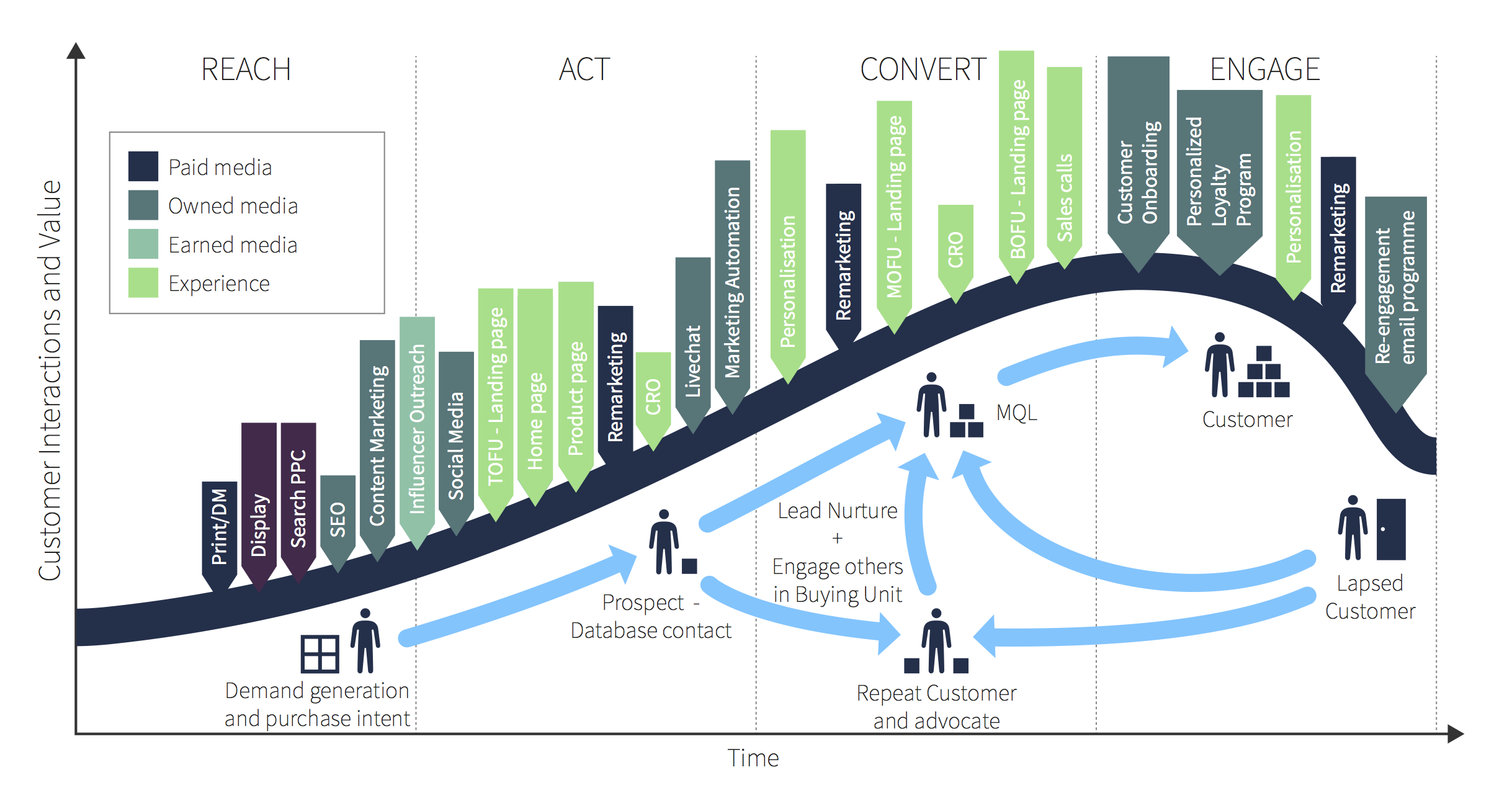
The visual identity system consists of detailed standards for logo design usage, color schemes, typography hierarchies, and design principles. brand name voice defines how the brand name interacts the personality, tone, and style that make communications recognizable. This encompasses messaging structures, worth proposals, proof points, and conversation standards that help teams communicate consistently. efficient brand marketing requires coordinated existence across channels where target audiences hang around, with each channel optimized for its unique attributes while keeping brand consistency.
The Impact of AI On Corporate Reputation Management
as organizations scale, brand governance guarantees consistency without developing traffic jams. Teams using smart platforms like monday work management collaborate on brand identity advancement while preserving governance through automated workflows and approval processes. Brand name marketing technique drives quantifiable business effect by forming how clients perceive worth, trust, and differentiation. When succeeded, it minimizes reliance on constant persuasion and develops need that substances over time.
This prices power stems from trust, perceived quality, and emotional connections that make price less relevant to buy choices. When potential customers already recognize and trust a brand, they require less education and persuasion to convert.
strong brand names develop barriers that protect market position and allow growth into surrounding markets. Established brand equity makes it harder for new entrants to acquire traction because consumers default to understood brand names. Trust forms the foundation of brand name equity, decreasing perceived risk in purchase choices and creating desire to attempt new offerings.
Direct Benefits of Integrating AI Into PR Strategy
These connections establish through consistent shipment of brand promises, authentic communication that aligns with consumer worths, and experiences that go beyond expectations. Organizations using monday work management construct these connections methodically by tracking client interactions, keeping an eye on belief, and ensuring constant experiences throughout touchpoints. Brand name marketing method develops sustainable competitive benefits that competitors struggle to duplicate.
This advantage manifests in customer preference that continues even when rivals use comparable features or lower costs. The combination of trust, recognition, and psychological connection creates a moat around your company that protects market share and enables premium positioning. Premium rates and client loyalty develop powerful financial advantages. Premium prices enhances earnings margins while commitment decreases acquisition costs and increases life time worth.

Building a reliable brand marketing method needs a clear, linked approach. Early decisions shape everything that follows, from how the brand appears in market to how groups execute and measure success. The framework below outlines how to move from brand name meaning to execution and optimisation in a practical, structured way.
How AI Influences Brand PR and ROIStart by analyzing the intersection of what the company does distinctively well, what clients genuinely require, and what favorable modification the organization looks for to produce. The process starts with stakeholder interviews across management, workers, and customers to recognize typical themes about business strengths and aspirations. Brand values equate function into behavioral principles that define how the organization operates and makes choices.
Direct Benefits of Integrating AI Into PR Strategy
Document three-five particular values that emerge and check them versus recent company choices to ensure credibility. Extensive market and audience research study offers the insights required to place the brand effectively and produce messaging that resonates. This research includes competitive analysis, consumer interviews, market trend analysis, and understanding studies that reveal opportunities for differentiation.

Latest Posts
Why Executive Leadership Drives Market Authority
Top PR Shifts to Watch in 2026
Practical Tips for Improved Media Outreach